Early Childhood Education
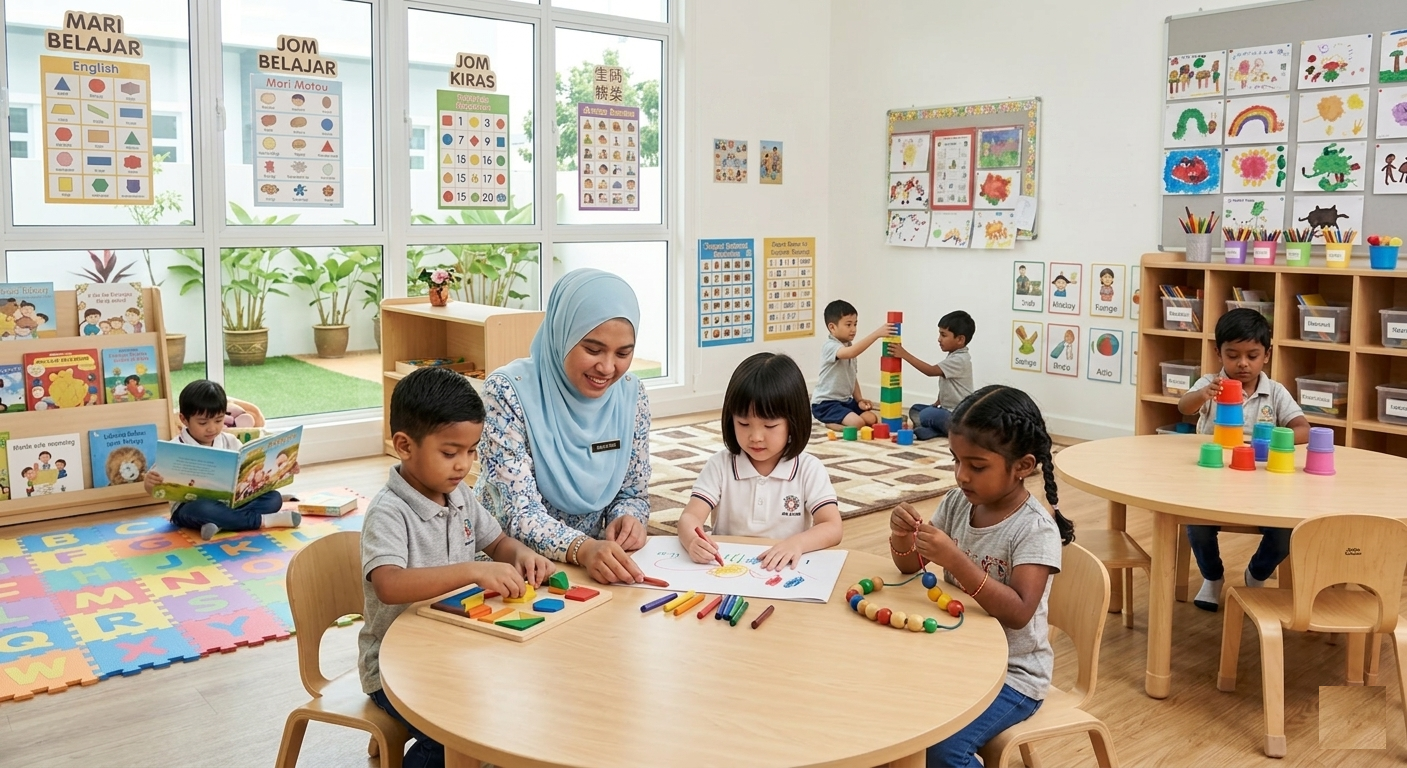
Early childhood education generally covers: nursery (ages 2 to 4), and kindergarten and preschool education (ages 4 to 6).
It is highly regarded by parents who recognize the importance of building a strong academic and social foundation from a young age to prepare them for primary education in a supportive and stimulating environment.
Most preschools adopt international curriculums such as the International Preschool Curriculum (IPC), Montessori, Reggio Emilia, and Waldorf.
These curriculums emphasize holistic development, creativity, critical thinking, and child-centered learning, offering children a well-rounded educational experience.
Primary and Secondary Education
It is divided into two main stages: primary education (ages 7 to 12) and secondary education (ages 13 to 18).
Primary education spans 6 years and is available through several streams, including: national schools, where Malay is the primary medium of instruction, and national-type Chinese schools, where Mandarin is the main teaching language
Both Malay and English are compulsory subjects across the national education system.
At the secondary national schools, Malay is the primarily medium of instruction, while Mathematics and Science are commonly taught in English.
English remains a compulsory subject, and Mandarin is offered as an elective in many schools.
Private schools offer multilingual learning environments using English, Malay, and Mandarin.
These institutions are closely aligned with Malaysia’s public examination system, including the Malaysian Certificate of Education (SPM) and Malaysian Higher School Certificate (STPM).
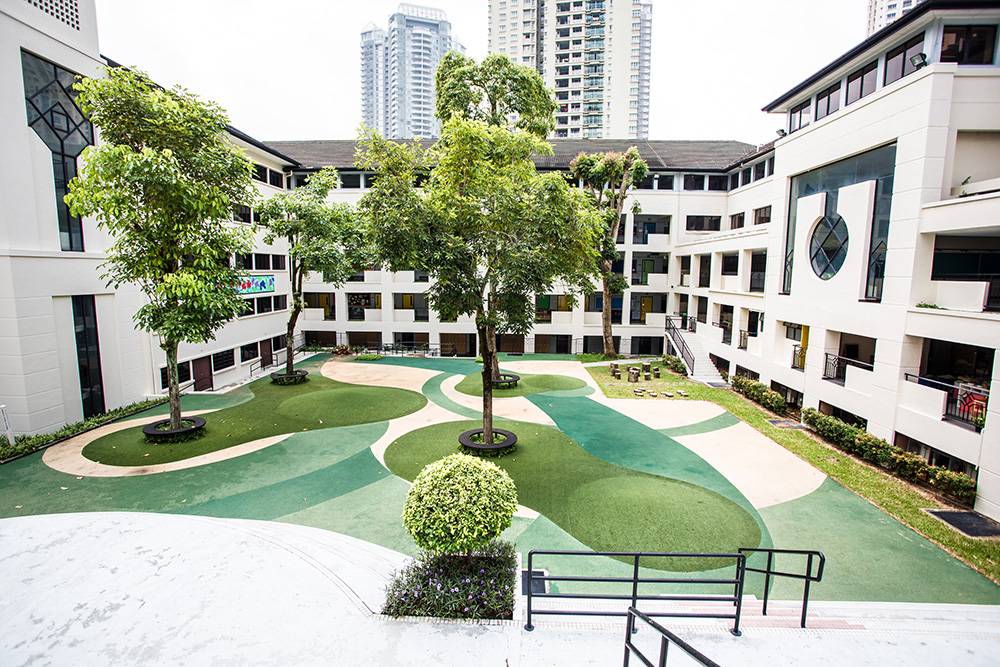
Mont’Kiara International School
www.mkis.edu.my
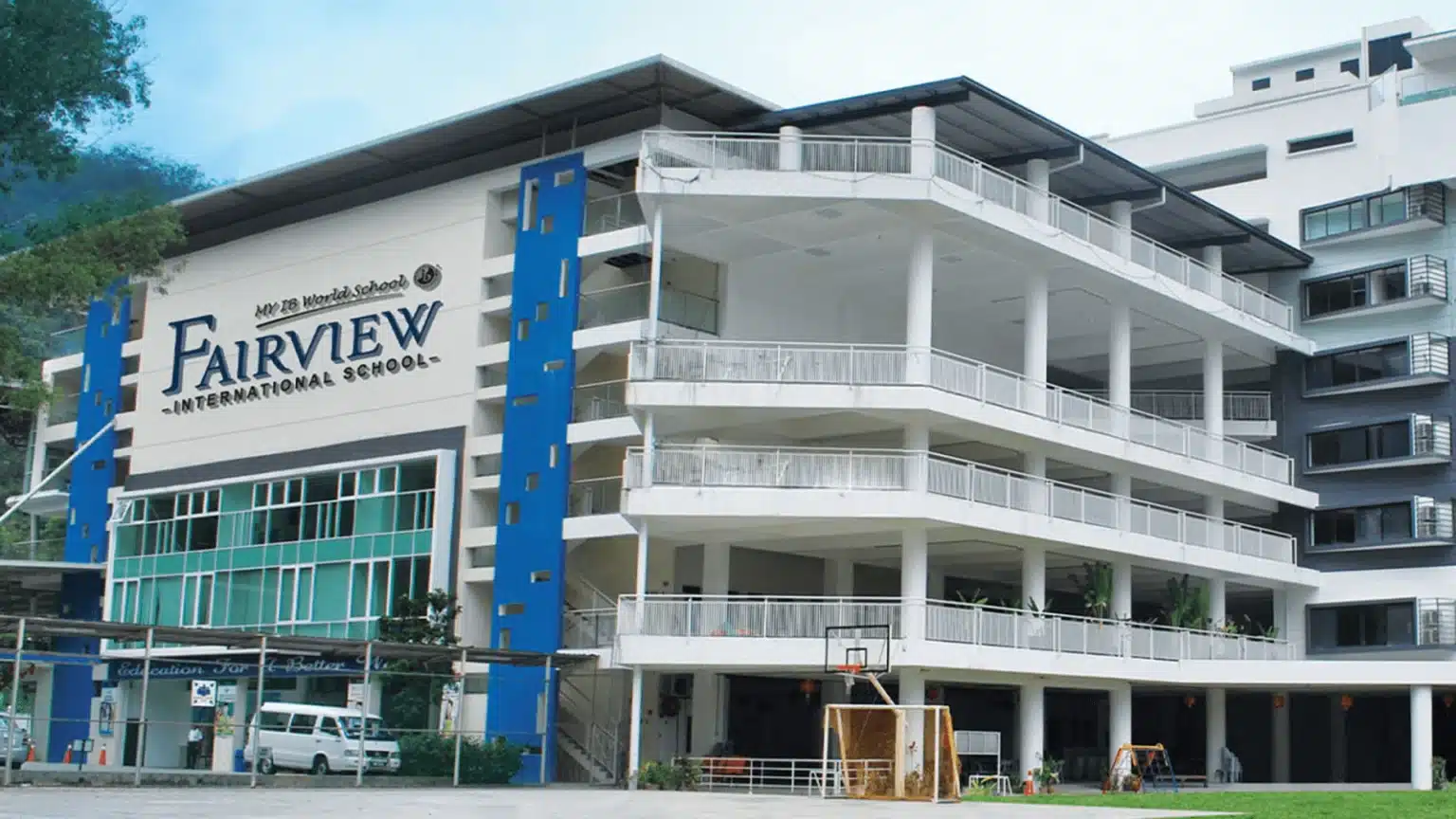
Fairview International School
https://fairview.edu.my/
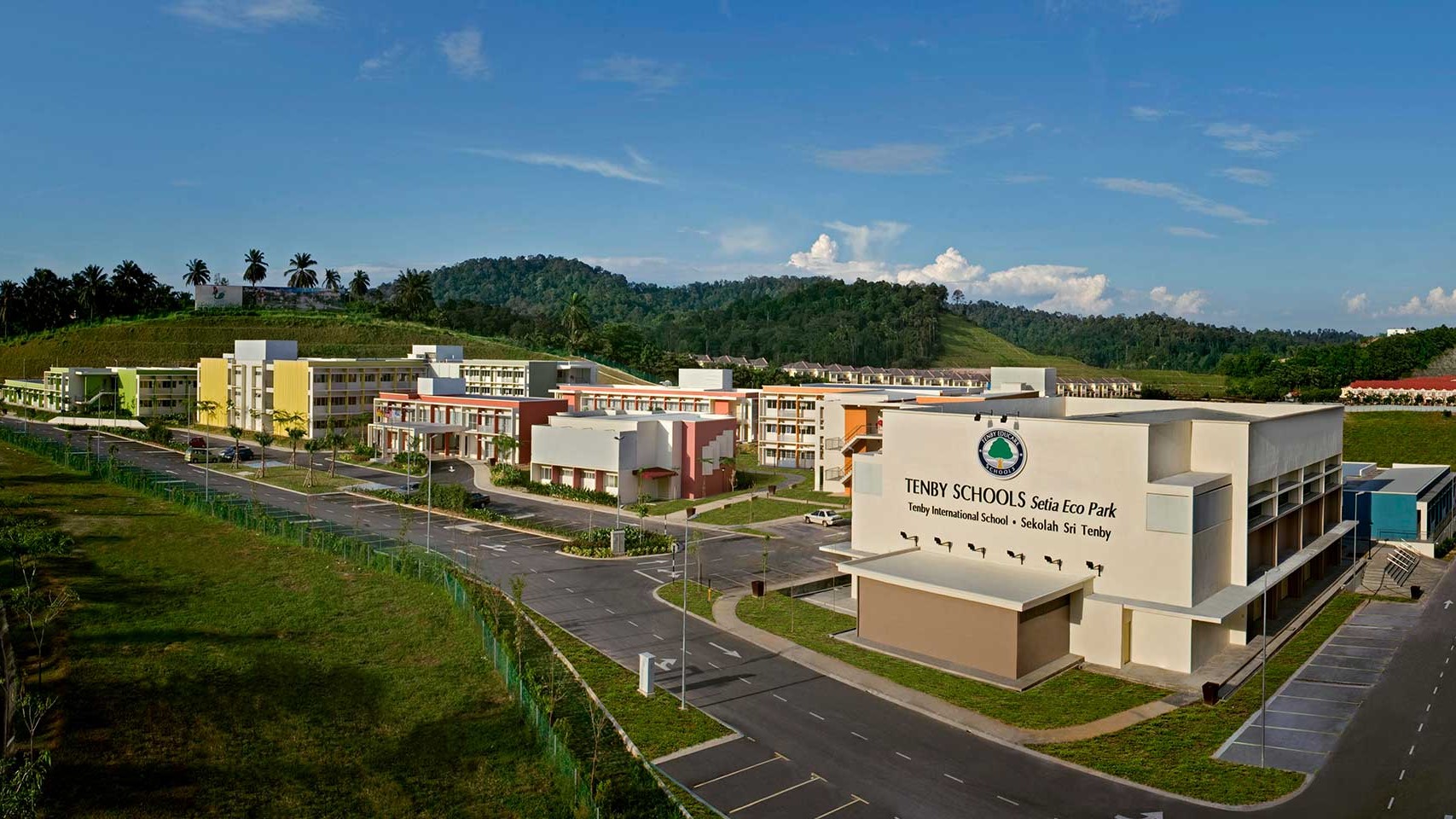
Tenby International School
www.tenby.edu.my
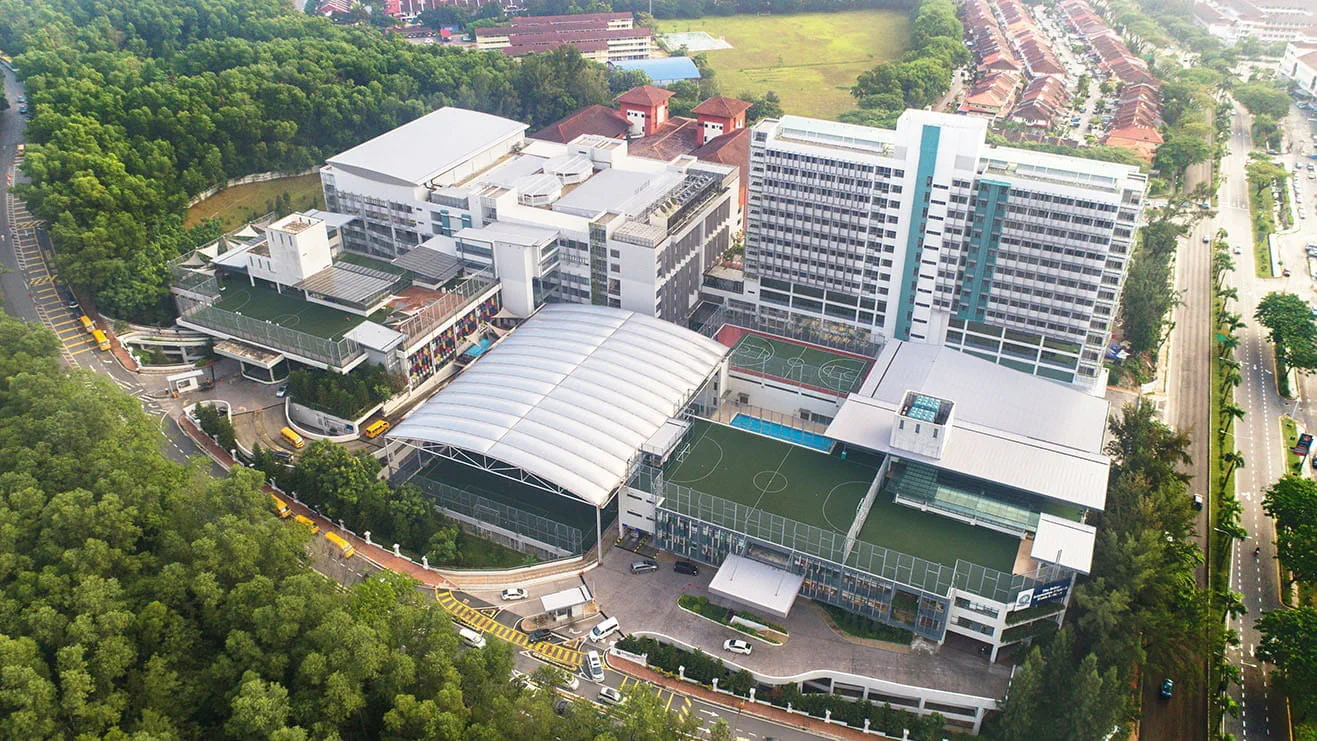
The British International School Kuala Lumpur
https://www.nordangliaeducation.com/bskl-kuala-lumpur
International School
Malaysia is home to more than 200 international schools with around 111,000 enrolled students, and provide globally recognized education pathways and use English as the primary medium of instruction.
These schools offer internationally respected curricula from countries such as the United Kingdom, the United States, Canada, and Australia.
The secondary-level qualifications include: IGCSE (Cambridge O-Level), GCE A-Level and International Baccalaureate (IB).
Higher Education
Malaysia’s Education System offers a broad selection of academic programs through both public and private universities many of which provide internationally recognized qualifications.
Private universities commonly conduct classes in English and maintain strong partnerships with universities in the United Kingdom, the United States, Canada, Australia, and New Zealand through twinning programs and credit transfer arrangements.
These collaborations provide students with valuable international exposure and flexible study opportunities.
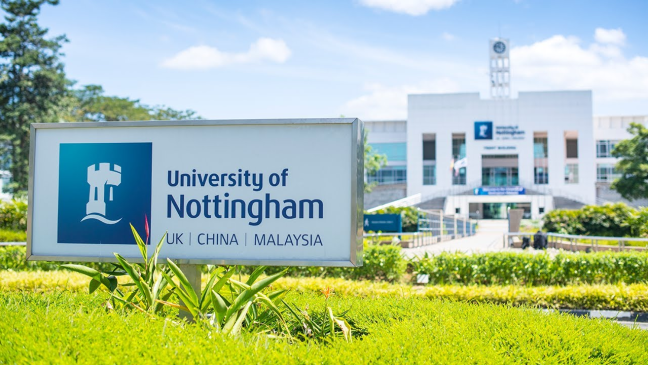
Malaysia has become a leading regional education hub, currently hosting approximately 150,000 international students from more than 180 countries.
In recent years, several prestigious international universities have established branch campuses in Malaysia, further strengthening the country’s reputation as a Global Center for quality and affordable education.